C · Vision 2030 Kingdom of Saudi Arabia Industrial localization · Circular economy

Aligned with the Kingdom's industrial future.

Saudi Vision 2030 calls for a diversified, circular, locally-owned industrial economy. NETAJ has been operating to that brief — quietly — since 1997.

01Royal Vision
Kingdom of Saudi Arabia·National blueprint · 2016 → 2030

A vision set from the top
of the Kingdom.

Saudi Vision 2030 is the long-term doctrine articulated by the Custodian of the Two Holy Mosques and his Crown Prince — a national programme of diversification, ambition, and circular industrial capacity.

Royal foreword·I
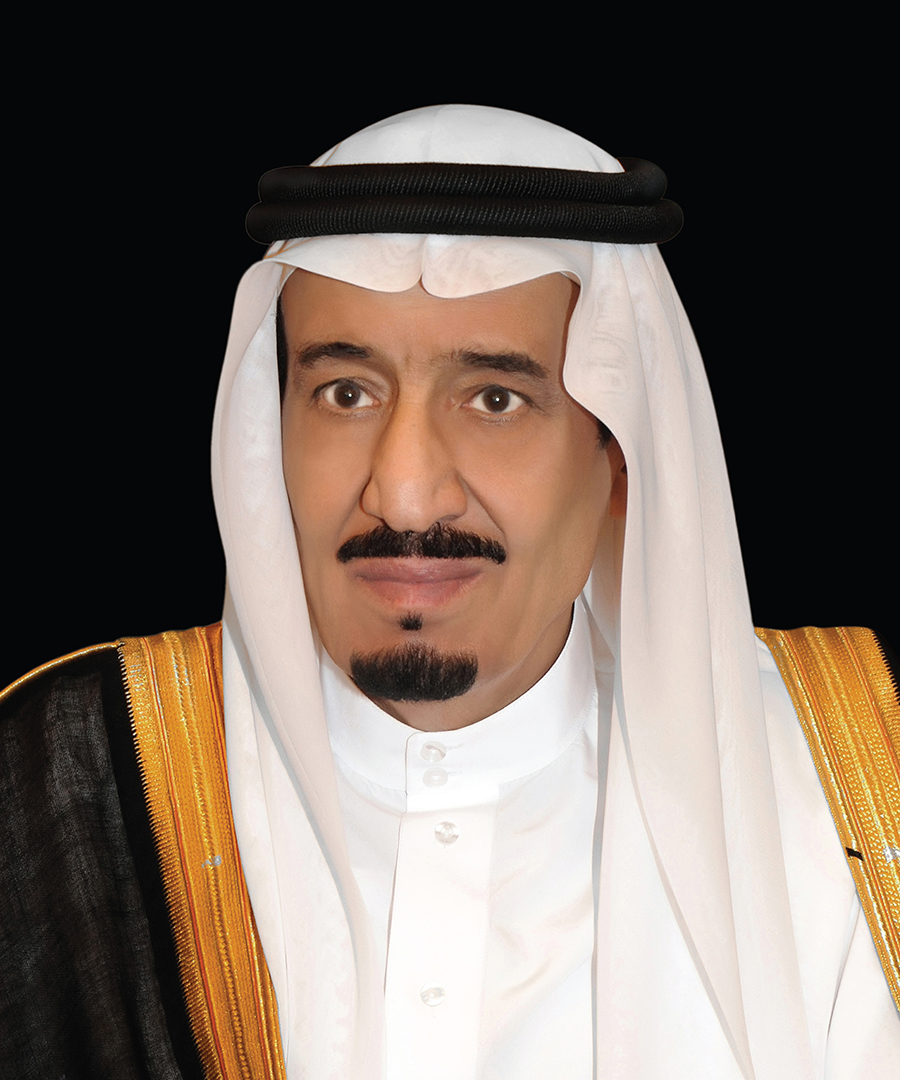
King Salman bin Abdulaziz Al-Saud

My primary goal is to be an exemplary and leading nation in all aspects, and I will work with you in achieving this endeavour.

King Salman bin Abdulaziz Al-Saud Custodian of the Two Holy Mosques
Royal foreword·II
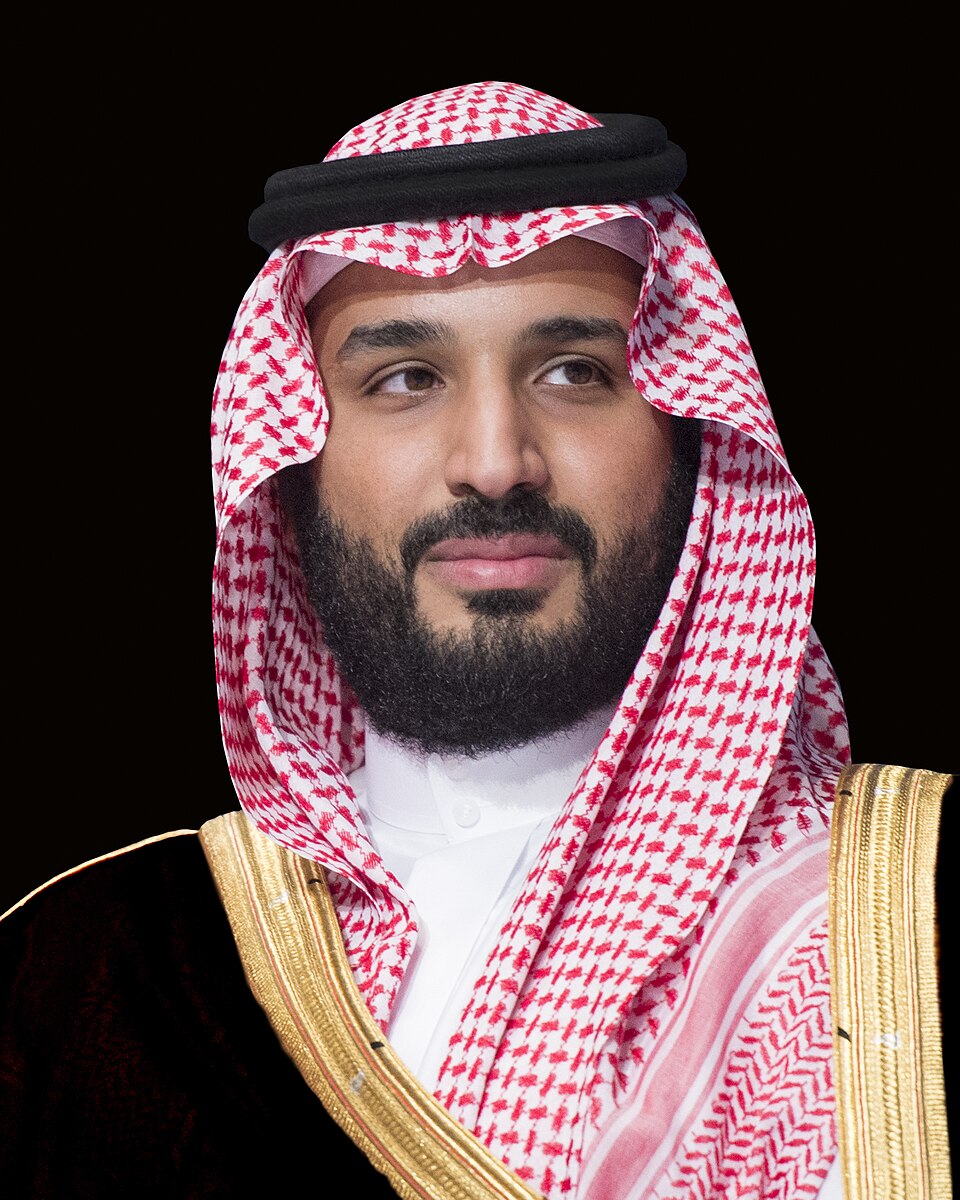
HRH Prince Mohammed bin Salman bin Abdulaziz Al Saud

It is my pleasure to present Saudi Arabia's vision for the future. It is an ambitious yet achievable blueprint, which expresses our long-term goals and expectations and reflects our country's strengths and capabilities. All success stories start with a vision, and successful visions are based on strong pillars.

HRH Prince Mohammed bin Salman bin Abdulaziz Al Saud Crown Prince · Prime Minister · Chairman of the Council of Economic and Development Affairs
02Where we align

Three Vision 2030 pillars, one industrial group.

NETAJ's four divisions sit at the intersection of three core Vision 2030 mandates — making the alignment structural, not aspirational.

Industrial localization

Manufacturing reclaim rubber and recycled aluminum on Saudi soil, replacing imports and capturing value within the Kingdom. ISO and IATF audited; export-grade documentation.

Circular economy

End-of-life tires and aluminum scrap are converted into specification-grade industrial feedstock. The waste stream becomes the input balance sheet.

Saudi workforce

Industrial jobs across plant, lab, logistics, and trading — with technical training programs that build long-term Saudi engineering capacity.

Specific mandates, specific contributions. No slogans.

01

Diversification away from hydrocarbons.

NETAJ's revenue base is industrial recycled materials, real estate, and trading — none of which depend on oil price cycles. Forty-five years of non-hydrocarbon industrial cash flow.

Vision 2030 · ✦
Economic diversification
02

Made in Saudi · Local content.

Reclaim rubber and recycled aluminum manufactured in the Eastern Province. Import substitution for materials previously brought in finished from abroad. IKTVA-relevant local content.

Vision 2030 · ✦
Made in Saudi
03

Circular & green industry.

Documented CO₂ avoidance per tonne shipped — material recovery rates of 95% on tire reclaim, ~92% CO₂ savings vs. primary aluminum on metals. ISO 14001 audited.

Vision 2030 · ✦
Circular Carbon Economy
04

Saudization & technical jobs.

Industrial roles in plant operations, quality assurance, lab technicians, supply chain — roles that build Saudi technical capacity, not just clerical headcount.

Vision 2030 · ✦
Saudization · HRDF
05

Export & non-oil trade.

Group-fed export volume across four continents through dual-port access (Dammam & Jeddah). Saudi-origin industrial products sold into thirty global markets.

Vision 2030 · ✦
Non-oil exports
04By the numbers

Forty-five years of Saudi industry.

95%
Material recovery
Reclaim rubber from end-of-life tires
−92%
CO₂ avoided
Recycled aluminum vs. primary
30+
Markets
Saudi-origin industrial exports
04
Divisions
Industrial · Real estate · Trading

The Kingdom's industrial future is circular,
localized, and made on Saudi soil.

NETAJ has been industrializing that brief — quietly, audit-by-audit, tonne-by-tonne — since 1997. Vision 2030 is not a pivot for us. It is a description of what we have always been doing.

Read the circular thesis